Essay · 15 July 2026 · by Pınar
Patina: the story your leather writes about you
Scratches, sun and time aren’t damage — they’re autobiography. On leather’s most misunderstood quality.
There is a moment every new leather owner dreads: the first scratch. The bag was flawless yesterday. Today there is a pale line across the flap, and something in you sinks.
We would like to talk you out of that feeling.
Objects that record
Most materials are designed to deny time. Plastic looks identical until the day it snaps. Coated furniture holds its showroom face for years, then peels all at once. These materials have no memory — and nothing to say.
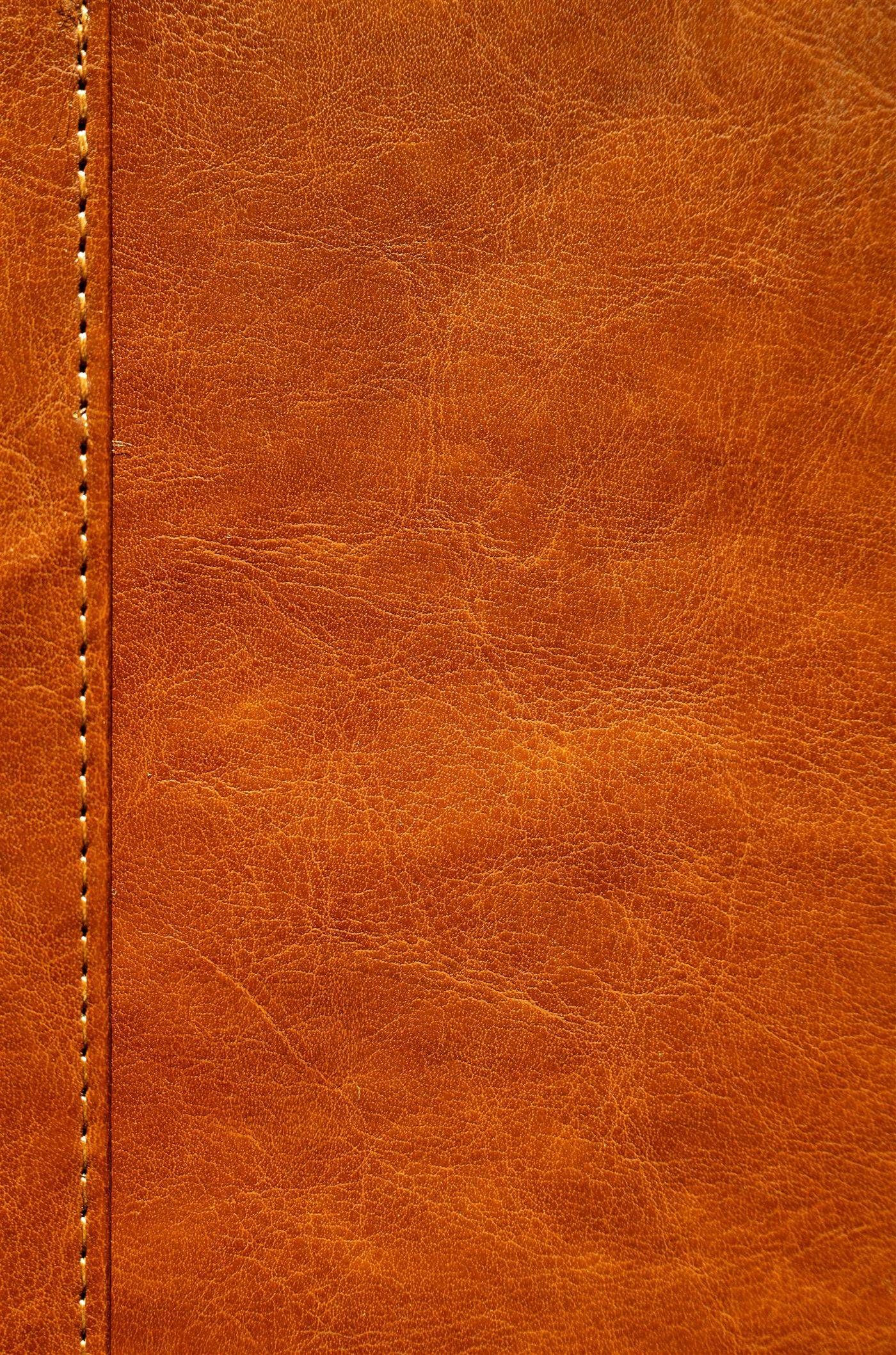
Full-grain leather is the opposite. It records everything: the oil of your hands darkening the handle, the sun of one particular summer, the corner of the desk you brush past every morning. Slowly the surface deepens, shifts, takes on a glow that no factory finish can imitate — because it wasn’t made in a factory. It was made by your life.
A patinated wallet is a diary written in a language only its owner can read.
Why we don’t seal it away
Many manufacturers coat their leather precisely to prevent patina — a plastic film between you and the hide, so the product stays looking new until it is thrown away. We refuse the film. Our vegetable-tanned hides are finished with wax and oil, left open to the world, because we think new is the least interesting thing an object will ever be.
The heirloom test
Here is how we judge a design at the bench: imagine it twenty years from now, handed to someone younger. Does it carry a story by then — or just wear? A machine-stitched, coated, glued object fails that test on every count. A saddle-stitched full-grain piece passes it a little more convincingly every single year.
So: don’t fear the first scratch. Rub it with a warm thumb, watch it half-vanish into the grain, and consider the sentence started. The rest of the story is yours to write.
Further reading
- Bag charms: the one accessory that wears the bag while you carry it
- Chocolate brown leather: the colour a hide is already trying to become
- Dye transfer both ways: why new leather marks a shirt, and jeans mark the leather
- How to clean leather: the step everyone skips before conditioning
- Leather and sunlight: why it darkens and fades at the same time
- Natural marks on leather: where each one came from, and which ones are actually faults
- How to choose leather as a gift: two questions, and the pieces that answer both
- The leather desk pad: what size to buy, and what it becomes in five years
- Quiet luxury is a material, not a logo: a bench-side definition
- How to care for handmade leather: the complete guide
- The leather glossary — 18 terms explained