
Guide · 2 August 2026 · by Pınar
How to care for handmade leather: the complete guide
Conditioning, rain, storage, scratches — everything we tell our customers about keeping full-grain leather alive for decades.
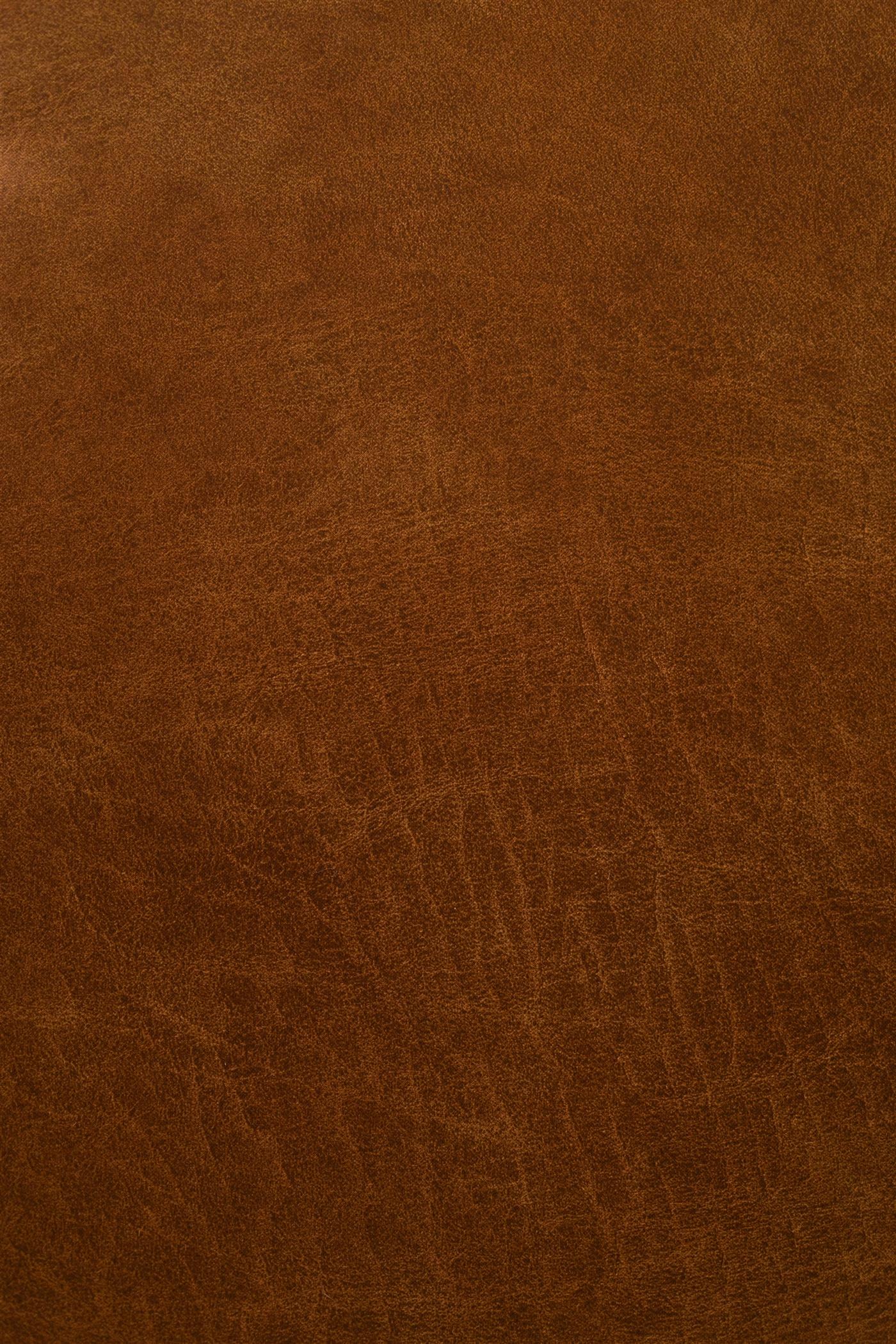
Full-grain leather asks for very little — that is half the reason we build with it. But the little it asks for, it deserves. This is the exact advice we give every customer who walks out of the atelier with a Paz piece.
Condition twice a year, no more
Leather is skin: tanning preserved its fibres, but they still want a trace of fat to stay supple. Twice a year, work a pea-sized amount of beeswax or lanolin balm into the surface with your fingers, in slow circles, and buff with a soft cloth. Over-conditioning is the more common mistake — a saturated hide goes limp and attracts dust.
Rain is not the enemy. Heat is.
Caught in the rain? Blot the water off — never rub — and let the piece dry slowly at room temperature, stuffed with paper so it holds its shape. What actually kills leather is the radiator, the hair dryer, the sunny windowsill: heat cooks the fibres stiff, and stiffness becomes cracking.
Store it breathing
- Use the cotton dust bag your piece came in — never a plastic bag, which traps moisture and invites mould.
- Keep it somewhere with airflow, away from direct sun.
- Rotate: like you, leather needs rest days between carries.
- Don’t overstuff pockets and bags. Leather remembers a stretch forever.
Scratches, and why you shouldn’t panic
Most light scratches on full-grain leather disappear when rubbed gently with a warm finger — the oils in the hide flow back over the mark. Deeper scratches become patina: the record of every day you carried the piece. We consider that the whole point.
Patina isn’t damage. It’s autobiography.
When to ask a maker
Ink, oil stains, mould, a torn stitch — some things want a professional hand. Send us a photo at info@pazleather.com before trying a home remedy. Leather advice is free, always — even for pieces we didn’t make.
Further reading
- How to clean leather: the step everyone skips before conditioning
- Over-conditioned leather: limp, sticky, dark — and what comes back
- Leather in winter: the damage happens when it is dry, not when it is wet
- Suede and nubuck care: why everything that feeds smooth leather ruins nap
- How to store a leather bag: dust bags, mould and the wardrobe changeover
- Olive oil, Vaseline, baby wipes: what not to put on leather
- How to fix scratches on leather: a maker’s guide by depth and finish
- Full-grain, top-grain, “genuine”: what leather labels really mean
- Patina: the story your leather writes about you
- The leather glossary — 18 terms explained